Data

You will be redirected to cenamweb.org in 15 second(s). The JINA-CEE website is not updated anymore. The archived website can still be reached through the CeNAM website.
Discovering Frontiers
Researching fundamental questions about the evolution and properties of matter in the cosmos, and the origin of the chemical elements that make up our world.
News
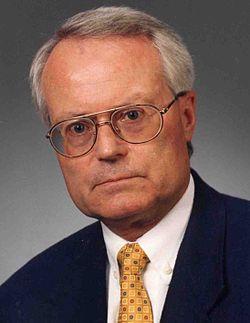
Karl-Ludwig Kratz 1941-2025
Apr 01, 2025

New IReNA Online Seminar Organizing Committee
Aug 26, 2024
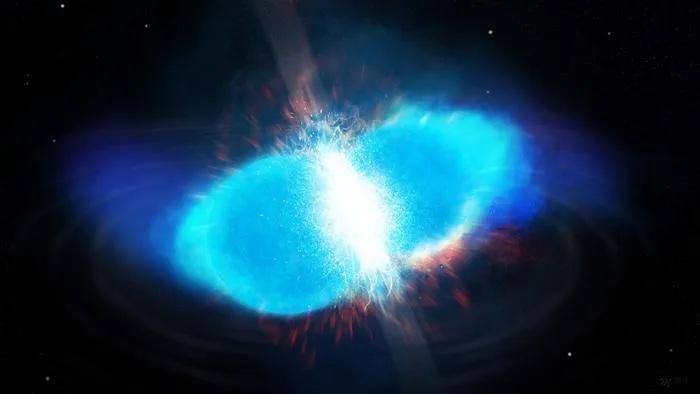
Element abundance patterns in stars indicate fissi…
Dec 21, 2023
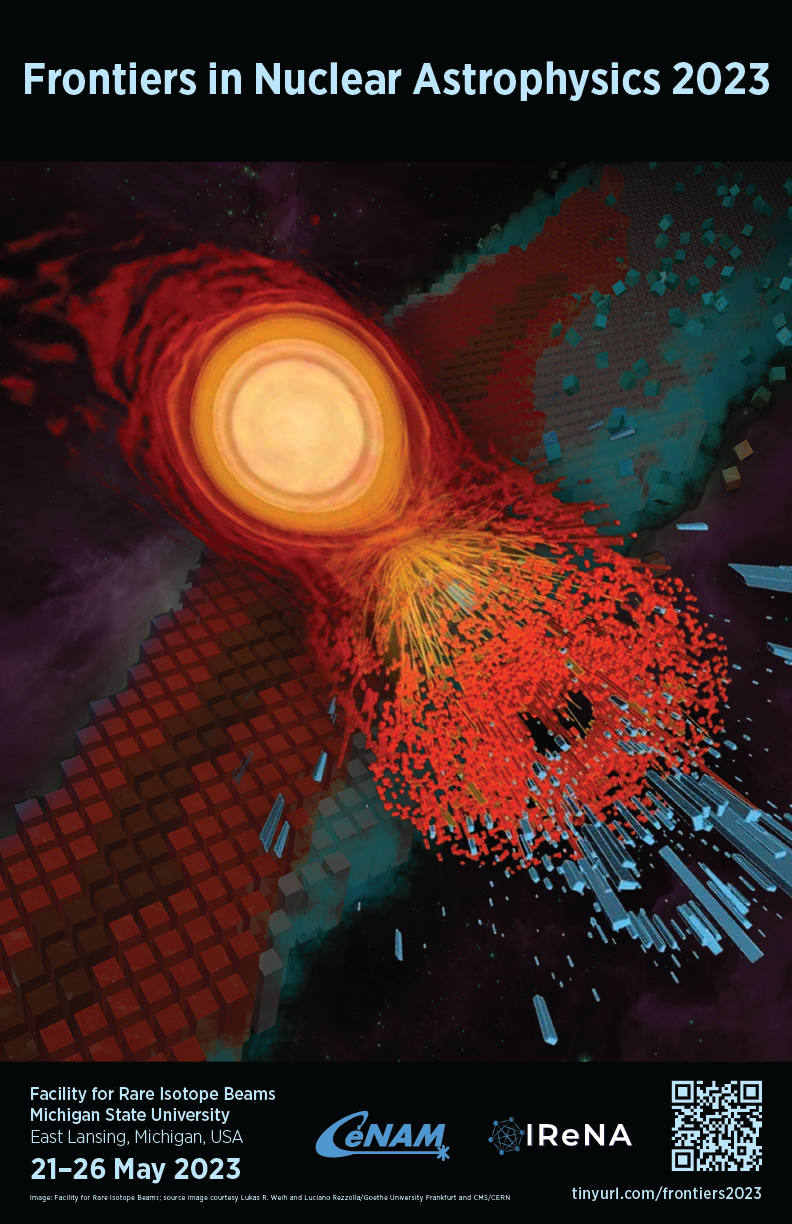
2023 CeNAM Frontiers in Nuclear Astrophysics Meeti…
May 31, 2023

IReNA Welcomes New Ibero-American Partner IANNA to…
Mar 10, 2023
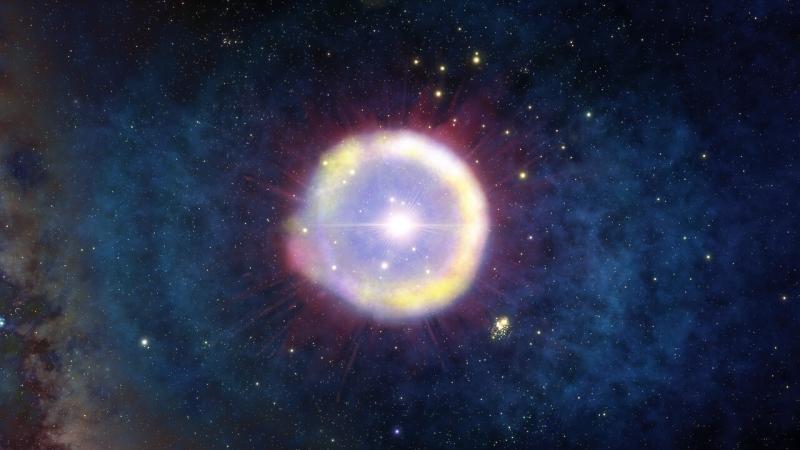
Astrophysicists find evidence for the presence of…
Oct 03, 2022
Conferences & Workshops

Gravitational Waves meet Nuclear Astrophysics
Event: July 07th
More Details about Gravitational Waves meet Nuclear Astrophysics
Events
Jul
07 to 11
2025
Gravitational Waves meet Nuclear Astrophysics
Gravitational Waves meet Nuclear Astrophysics
Jul
14 to 18
2025
2nd IReNA-UKAKUREN Joint Workshop “Advancing Nuclear Astrophysics and Beyond"
2nd IReNA-UKAKUREN Joint Workshop “Advancing Nuclear Astrophysics and Beyond"
Jul
21 to 25
2025
Helium burning and perspectives for underground labs - HELIUM25
Helium burning and perspectives for underground labs - HELIUM25
Scientific Resources
Data
Codes
Jobs
Virtual Journal
Conference List
Diversity
Outreach and Education Programs
JINA-CEE offers outreach and education programs year round, often in collaboration with local partners. Classroom visits, lab tours, scout workshops and summer camps are examples of our core programs.
Teaching Materials
JINA-CEE has a number of educational resources to teach nuclear science to middle/high students who are familiar with the periodic table, as well as STEAM lessons for younger students.